 Hours 10 a.m.–5 p.m. | Fri. & Sat. till 8 p.m.
Explore Play, History, and Culture
Delve into articles that showcase The Strong’s diverse collections, share insights into the world of play, and highlight the role of games and toys in shaping our past and present.
Home to the largest, most comprehensive collection of toys, dolls, games, and video games.
The Strong’s database holds thousands of toys, dolls, board games, puzzles, construction sets, mechanical banks, video games, pinball machines, and more!
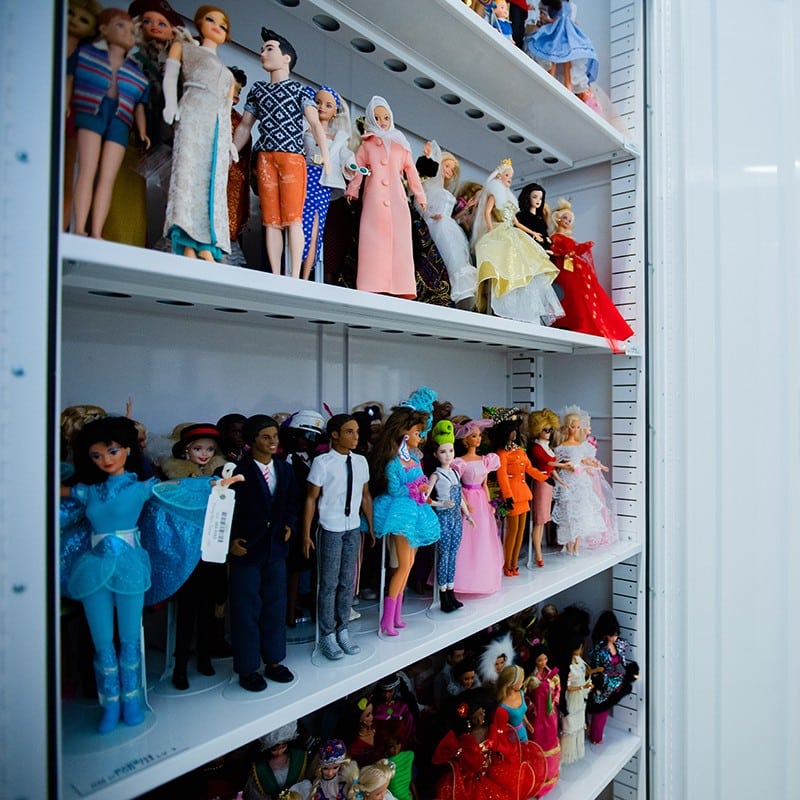
Search NowThe Strong owns and cares for the world’s most comprehensive collection of toys, dolls, board games, video games, and other electronic games, as well as books, documents, trade catalogs, and other historical materials related to play. Among The Strong’s collection are also alphabet blocks, plush toys, paper dolls, Bru and Jumeau dolls, fashion dolls, role-playing games, comic books, and many toy and game prototypes.
This unprecedented assemblage offers a unique interpretive and educational window into the critical role of play in physical, social, and intellectual development, and the ways in which play reflects cultural history.
Download The Strong’s Bloomberg Connects app for the America at Play and 12 Must-See Artifact audio tours. Text is offered in a variety of languages.
The Strong museum staff is glad to assist with research inquiries and appointments. Staff will respond within one week of the initial request. For the optimal experience with on-site research, two weeks’ notice is required. Staff are unable to accommodate researchers without appointments.

Delve into articles that showcase The Strong’s diverse collections, share insights into the world of play, and highlight the role of games and toys in shaping our past and present.